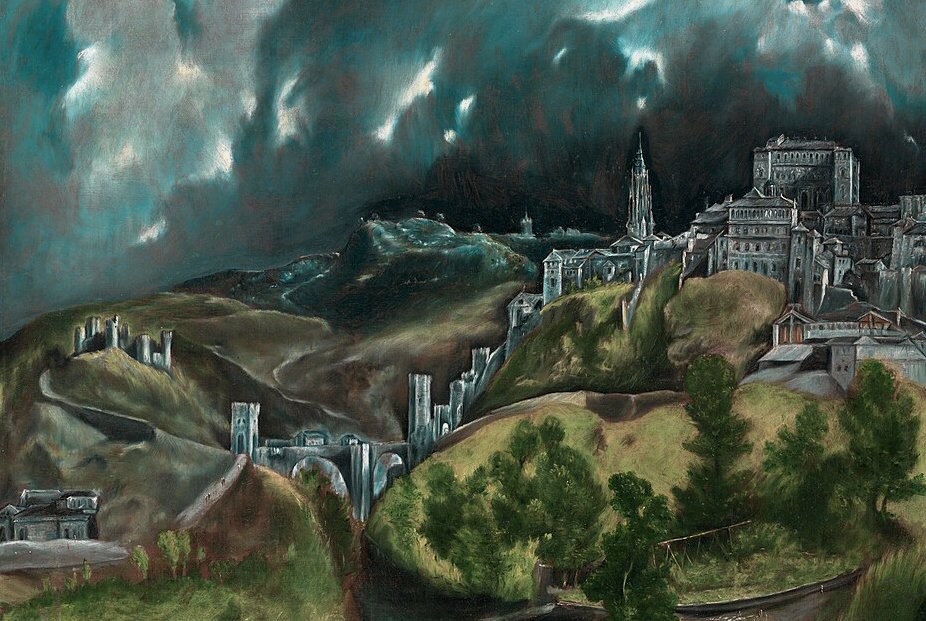
From the Catholic Monarchs to the Habsburg Monarchy
Following the death of Isabella I of Castile in 1504, Toledo remained one of the most important cities in the Crown of Castile. The reforms introduced by the Catholic Monarchs had strengthened royal authority.
During the 16th century, under the reigns of Charles I and Philip II, Toledo retained its political and religious significance, although its relationship with the court gradually changed. The city played a prominent role during the reign of Charles I and was involved in the Revolt of the Communities of Castile (1520–1521). However, the establishment of the court in Madrid in 1561, by decision of Philip II, marked a significant shift in the distribution of political power. Toledo lost its prominence as the court’s usual residence, but retained its ecclesiastical influence and its artistic and cultural wealth.
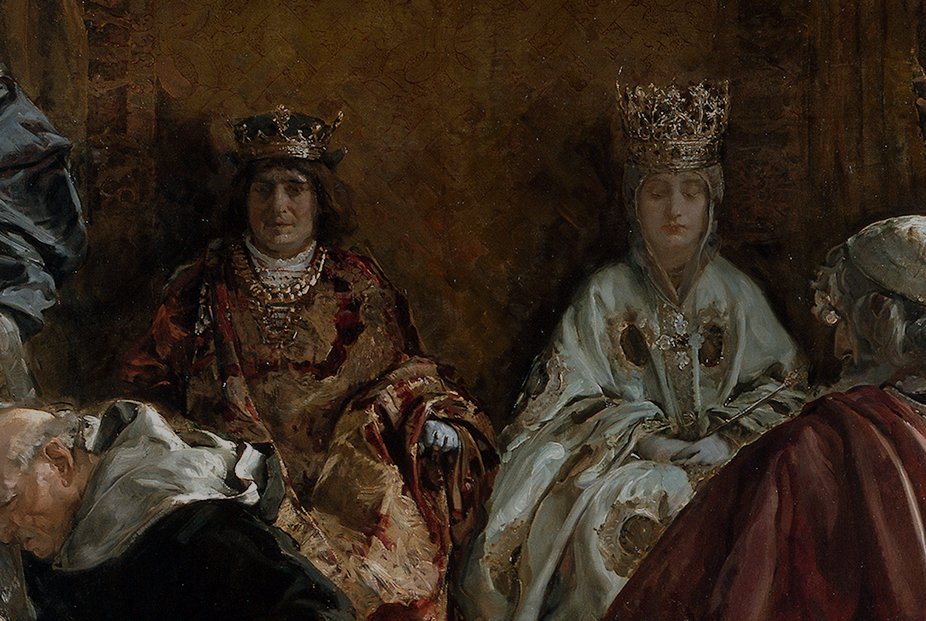
Toledo under the Catholic Monarchs: power, transformation and social change
Discover the era of the Catholic Monarchs in Toledo, including political reforms and urban changes.
Political and administrative centre
During the 16th century, Toledo remained an important city in the political life of the monarchy. Its historical significance, its position within the Crown of Castile and the presence of major ecclesiastical and civil institutions all helped to maintain its prestige.
- The city was closely linked to the political events of the reign of Charles I, particularly during the Revolt of the Castilian Communities, in which Toledo became one of the main centres of resistance.
- Although the court moved between various cities before settling in Madrid, Toledo continued to host political activities and maintained close ties with the nobility and the institutions of the monarchy.
- The relocation of the court in 1561 reduced the regular presence of the royal entourage in Toledo, but did not lead to the immediate decline of its political or administrative importance.
Religious and cultural centre
Toledo’s religious importance was maintained throughout the Habsburg period. The city was the seat of the Archbishopric of Toledo, one of the monarchy’s most influential ecclesiastical institutions, and its cathedral was one of the principal symbols of its prestige.
- The Primatial Cathedral, together with convents and monasteries, played a fundamental role in the city’s religious, social and artistic life.
- During the second half of the 16th century, Toledo became a key location in El Greco’s artistic career. The painter arrived in the city in 1577, where he received important commissions, including those for the cathedral and the monastery of Santo Domingo el Antiguo. Furthermore, Toledo is home to one of his most famous works, The Burial of the Count of Orgaz, on display in the Church of Santo Tomé, which stands as one of the finest examples of his artistic legacy.
- Artistic and religious activity helped to maintain Toledo’s cultural prestige even after the court was moved to Madrid.
El Greco’s work reflects the city’s artistic vitality during the reign of Philip II and constitutes one of the most recognisable legacies of 16th-century Toledo.
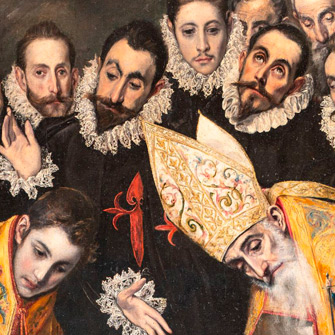
El Greco and The Burial of the Count of Orgaz
Between 1586 and 1588, El Greco painted this enormous canvas depicting the miracle of Saint Stephen and Saint Augustine of Hippo, which took place in 1323.
Toledo: Between Tradition and Change
Between the end of the reign of the Catholic Monarchs and the era of Philip II, Toledo underwent a significant transformation. From being one of the principal political centres of the Crown of Castile, it came to play its part in a monarchy whose court was established in Madrid.
This change did not mean that Toledo lost all its influence. The city retained its status as a religious centre, preserved a significant architectural heritage and experienced a period of great artistic activity, particularly during the arrival and rise of El Greco.
The history of Toledo during the Habsburg era illustrates how a city could lose its prominence as the seat of the court whilst, at the same time, retaining a prominent position in the religious, cultural and economic life of the Spanish monarchy.


